Mini Jersey Cows: A Beginner-Friendly Overview
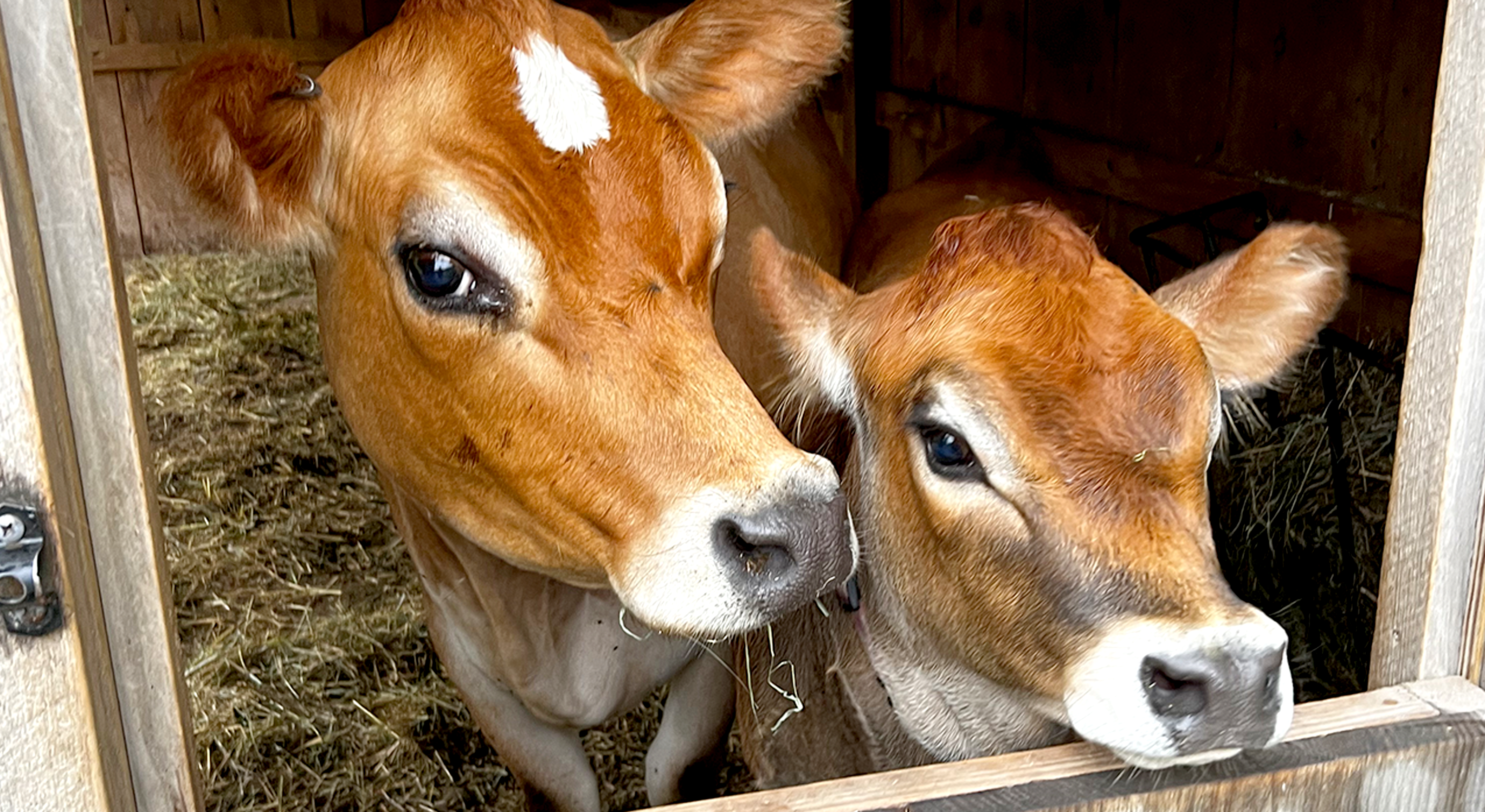
Miniature Jerseys are a compact, efficient dairy breed that’s become increasingly popular with homesteaders and small farm families. They’re known for producing rich, creamy milk while requiring far less feed and space than full-size dairy cows. With their gentle nature and manageable size, they’re often a perfect fit for those new to cattle or working with limited acreage.
At their core, Mini Jerseys carry all the charm and classic traits of traditional Jerseys—just in a smaller, easier-to-handle form.
Why People Love Mini Jerseys
There’s a reason so many families are drawn to this breed:
Smaller size, but still excellent milkers
High-butterfat milk ideal for homemade dairy products
Calm, friendly personalities
Lower feed and land requirements
Strong longevity and overall hardiness
Beautiful, traditional dairy cow appearance
For many owners, these cows quickly become more than livestock—they’re part of the family.
A Brief History
Miniature Jerseys trace back to the original Jersey cattle from the Isle of Jersey, a breed valued for over two centuries for its rich milk and fertility. Historically, Jerseys came in a range of sizes, including smaller-framed animals. As commercial dairying expanded, breeders favored larger cows that could produce higher volumes of milk. Over time, the smaller, heritage-type Jerseys became less common.
In the late 1900s, breeders began intentionally preserving and developing these smaller lines. By selecting for correct structure, strong dairy traits, and high butterfat, they helped reestablish what we now recognize as the Miniature Jersey. Today, the breed represents both a nod to history and a practical option for modern small-scale dairying.
Breed Traits & Appearance
While specifics can vary slightly depending on registry, Mini Jerseys generally share these characteristics:
Size (measured at the hip)
- Mini: under 42”
- Mid-size: 42”–48”
- Standard: 48”+
Structure & Conformation
- Refined head with large, expressive eyes
- Straight topline with well-angled hips
- Strong udder attachment with defined quarters
- Sound legs and feet for long-term durability
- Classic dairy build—angular, deep-bodied, and well-balanced
Color
They come in the familiar Jersey shades, including fawn, golden, honey, brindle, and darker tones like mahogany. Variations such as black points or lighter accents are normal.
Feeding
Their diet is straightforward and cost-effective:
- Primarily pasture and hay
- Grain or dairy ration as needed for milk production
- Free-choice minerals and salt
They’re known for converting feed into milk very efficiently compared to larger dairy breeds.
Health & Care
General cattle care practices apply:
- Routine vaccinations and deworming
- Occasional hoof trimming
- Clean, dry bedding—especially in colder months
- Monitoring for mastitis and body condition
- Access to a livestock veterinarian
Breeding & Calving
Mini Jerseys are known for being reliable mothers and typically have uncomplicated births.
- Gestation: about 283 days
- Heifers can often be bred between 12 –18 months (depending on development)
- Calves are usually small, strong, and quick to thrive
Temperament
Mini Jerseys are widely known for their calm, people-friendly nature. They tend to be easy to train, enjoy routine interaction, and are especially well-suited for hand milking and family farms. Their smaller stature also makes them less intimidating for beginners or children learning livestock care.
Milk Production & Quality
While they don’t match the volume of large commercial cows, Mini Jerseys excel in milk quality and efficiency.
Typical yield:
- About 1.5 to 4 gallons per day with once-daily milking
Butterfat:
- Usually between 4.5% and 6% or higher
Their milk is naturally rich, making it perfect for:
- Butter
- Cheese
- Yogurt
- Ice cream
- Other cultured dairy products
Because production levels are manageable for a household, there’s less waste and more usability day-to-day.
Land & Housing Needs
Mini Jerseys are a great fit for smaller properties:
- Around 1–2 acres of good pasture can sustain a cow during grazing season
- Standard cattle fencing is typically sufficient
- Access to clean water and shade is essential
Milking Routine
Most Mini Jersey owners choose once-a-day milking. They do well with both hand milking and machine systems, but consistency is important to maintain udder health and steady production.